El Mundial
Verano de 2018. Cinco días en Rusia para la Copa del Mundo: un hostal lleno de argentinos, un tren nocturno a Saransk y un estadio rojo y blanco. Cuéntalo bien… porque el pasado que elijas cambia la historia.
Partido: Perú – Dinamarca (Peru vs. Denmark)
Ciudad: Saransk
Verano de 2018. Pasas 57 días viajando por Europa. Pero hay un plan especial: cinco días en Rusia para el Mundial.
Summer 2018. You spend 57 days traveling around Europe. But there's a special plan: five days in Russia for the World Cup.
Para entrar a los partidos necesitas tu pasaporte del hincha. Con él, hasta los trenes a otras ciudades son gratis.
To get into the matches you need your fan ID. With it, even the trains to other cities are free.
Moscú. Abres la puerta del hostal y… banderas celestes y blancas por todas partes. El cuarto entero es de argentinos.
Moscow. You open the hostel door and… light-blue-and-white flags everywhere. The whole room is Argentines.
Nadie habla ruso. Casi nadie habla inglés. Aquí el idioma del cuarto es el español… con acento de Buenos Aires.
Nobody speaks Russian. Hardly anyone speaks English. Here, the language of the room is Spanish… with a Buenos Aires accent.
¿Qué es un hostal?
A hostel has shared rooms with bunk beds. Backpackers use them all over the world, especially outside the US. It's a great place to meet people, especially when you travel solo, with a kitchen and common spaces to share. A hotel gives you your own room and bathroom: quieter and more private, great for families or work trips.
Fun fact: in Spain, a hostal is a small family-run hotel, and a backpacker hostel is often called an albergue.
Facu, de la litera de arriba, baja con mate en la mano.Facu, from the top bunk, climbs down holding a mate.
Antes del tren a Saransk tienes un día libre. Facu y Lucía tienen planes. ¿Con quién vas?Before the train to Saransk you have a free day. Facu and Lucía have plans. Who do you go with?
Medianoche, estación de Moscú. El tren nocturno a Saransk está lleno de camisetas rojas y blancas: hinchas peruanos.
Midnight at a Moscow station. The night train to Saransk is full of red-and-white jerseys: Peru fans.
No hay compartimentos con puerta. El vagón es un solo espacio largo, dividido en secciones de seis camas: cuatro literas frente a frente con una mesa junto a la ventana… luego el pasillo… y dos literas más a lo largo del pasillo.
There are no compartments with doors. The car is one long open space, divided into sections of six beds: four bunks facing each other with a table by the window… then the aisle… and two more bunks along the aisle.
Toca el plano · tap the plan. Every lower bunk has an upper bunk above it.
En tu sección: té en vasos de vidrio y una familia de Lima. La señora Rosa y su hijo, Mateo.
In your section: tea in glass cups and a family from Lima. Señora Rosa and her son, Mateo.
Mateo saca unas cartas. Juegan a las cartas en la mesa mientras el tren cruza la noche.
Mateo pulls out a deck of cards. You play cards at the table while the train crosses the night.
Entonces llega la revisora. Habla ruso e inglés. Rosa solo habla español. Te miran a ti.
Then the attendant arrives. She speaks Russian and English. Rosa only speaks Spanish. They both look at you.
Olga, la revisora, solo habla inglés y ruso. Rosa solo habla español. Las dos te miran: tú eres el intérprete.Olga, the attendant, speaks only English and Russian. Rosa speaks only Spanish. They both look at you: you're the interpreter.
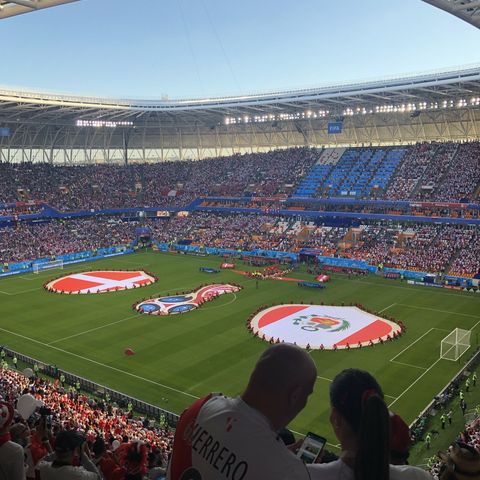
Saransk. Una ciudad pequeña… y hoy, una ciudad peruana. Miles de hinchas viajaron desde Lima para ver a Perú en su primer Mundial en 36 años.
Saransk. A small city… and today, a Peruvian city. Thousands of fans traveled from Lima to see Peru at its first World Cup in 36 years.
El estadio es un mar rojo y blanco. Todos cantan. Tú también, aunque no sabes la letra.
The stadium is a red-and-white sea. Everyone is singing. You too, even though you don't know the words.
Perú juega bien… pero antes del medio tiempo falla un penal. Al final, Dinamarca gana 1 a 0. Y los peruanos siguen cantando.
Peru plays well… but before halftime they miss a penalty. In the end, Denmark wins 1–0. And the Peruvians keep singing.
Facu vio el partido en la tele, en Moscú. Te pide un audio: “¡Contame todo!” Elige cada verbo y manda el audio.Facu watched on TV in Moscow and asks for a voice note: "Tell me everything!" Choose each verb, then send it.
Afuera del estadio, alguien te abraza. ¡Es Rosa, la del tren! Mateo tiene sus boletos en la mano y una sonrisa enorme.Outside the stadium, someone hugs you. It's Rosa from the train! Mateo is holding his tickets and grinning.
Última noche en el hostal. Escribes una postal a tu familia para contarles el viaje. Lucía te mira: “Ojo con los verbos, ¿eh?”Last night at the hostel. You write your family a postcard about the trip. Lucía teases: "Careful with those verbs, huh?"
2018
¡Hola, familia!
En Moscú a unos argentinos increíbles.
En el tren a Saransk, una señora no los boletos… ¡yo el intérprete!
Cuando al estadio, un poquito, pero a nadie le importó.
Un abrazo, —
Tap each verb to switch it, then send.
¡Buen viaje, —!
Jodi's take
Telling a story in the past is two jobs at once: what happened (preterite) and what was going on (imperfect). And some verbs change meaning: tenía = had, tuvo = got. Conocía = knew, conocí = met.
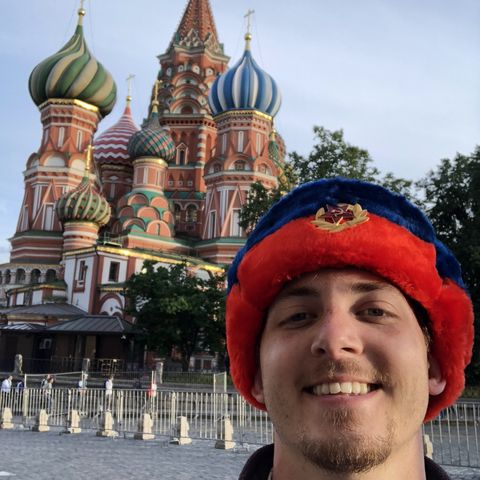
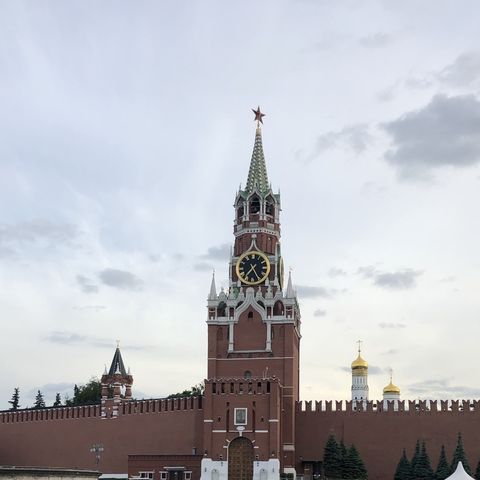
Fotos del viaje real
This story is inspired by William's trip to the 2018 World Cup. These are his real photos.
Lo que tu español hizo
Allgood Academy · El Mundial · browser voice for audio · characters are invented; the match facts are real (Peru 0–1 Denmark, Saransk, June 16, 2018).